
Biomechanical Testing
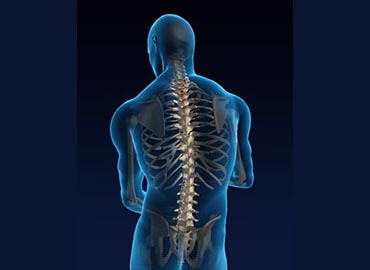
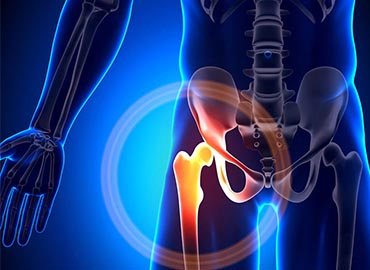
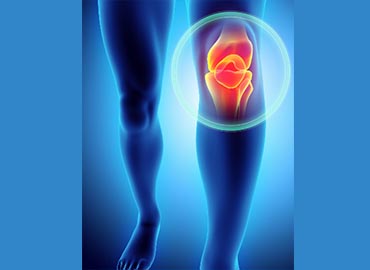
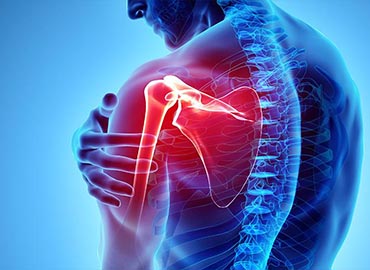
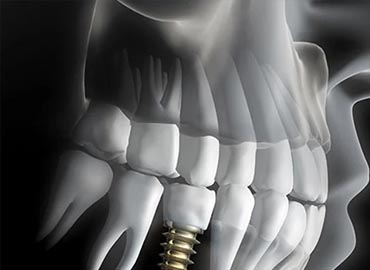
Biomechanical testing is one of the important applications used in the development of medical devices and equipment. Comprehensive testing is required for medical devices. Biomechanics, which addresses the mechanical behavior of tissues such as bone, tendon, ligament, and muscle, brings together engineering principles with biology. The mechanical properties of tissues vary according to different conditions such as age and biological and environmental factors.
Bones, one of the building blocks of the skeletal system, are treated as composite materials. Water comprises one-quarter of total bone weight. The solid phases enable bones to harden. Bones can self-repair or change their shape.
Biomechanical testing for medical devices is now actively used in various fields. Biomechanical evaluations include various assessments such as tension and shear. Each test performed reveals the true condition of the devices. Materials such as metals and alloys, ceramics, and polymers are used in developing medical devices.
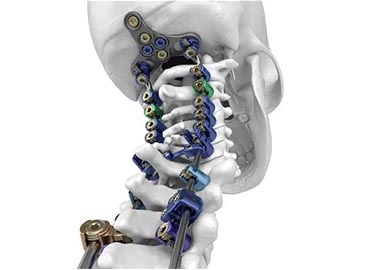
Metallic implants have a 3D crystal structure. They are primarily used in load-bearing systems. Various tests are applied depending on the properties of the selected metal. Among the advantages of biomechanical testing are controlled degradation rates. The importance of medical devices in the healthcare field is extremely significant. Biomechanical testing is one of the test applications that help medical devices function properly.